Vital Tools and Techniques for Effective Lead Infraction Clean-up
Attending to lead infractions successfully requires a detailed technique that mixes the right devices with calculated methodologies. The very first step includes gearing up workers with Personal Safety Tools (PPE) to guard their health. Simultaneously, making use of specialized clean-up tools, such as HEPA vacuums and lead-specific cleaner, is vital for detailed pollutant removal. Reliable control techniques, including plastic sheeting and adverse air stress systems, are necessary to prevent the spread of dangerous materials. Moreover, secure disposal techniques and rigorous adherence to governing standards guarantee liable handling of harmful waste. However what are the nuanced strategies that genuinely make a difference?
Personal Safety Tools
Individual protective equipment (PPE) is an essential part in the effective management of lead contamination clean-up. PPE acts as an essential obstacle, safeguarding workers from the dangerous impacts of lead exposure, which can lead to serious health and wellness effects. The crucial PPE for lead cleanup includes respirators, safety clothing, handwear covers, and eye protection. Each sort of devices is especially created to minimize various dangers connected with lead fragments and dirt.
Respirators, specifically those furnished with HEPA filters, are vital for filtering system airborne lead particles, preventing breathing. Correct fit and seal checks are vital to ensure their effectiveness. Safety apparel, consisting of coveralls and disposable suits, protects against lead dirt from sticking to workers' garments, reducing the threat of additional contamination. Gloves, commonly made of nitrile or latex, secure the skin from direct contact with lead, while safety and security goggles or full-face shields protect the eyes from dirt and debris.
Moreover, extensive training on the correct use and maintenance of PPE is crucial. Workers have to be informed on wearing and doffing procedures to stay clear of contamination. Regular examinations and replacements of PPE elements are necessary to preserve their safety capabilities, making sure a safe and compliant cleaning operation.
Specialized Clean-up Devices
Another necessary tool is the wet/dry vacuum, which can properly clean up both dust and fluid contaminants. These vacuums usually come with HEPA filters to offer an added layer of safety and security. Wet wipes or tack towels are also important for surface area cleansing; they are specifically created to record and hold lead particles, lowering the risk of spreading contamination.
For even more persistent deposits, specialized lead-removal cleaning agents are needed. These agents are developed to break down lead bits, making them easier to remove. Scrub brushes with durable bristles can assist in this procedure, specifically on harsh surface areas where lead dirt has a tendency to adhere much more strongly.
Furthermore, encapsulants are utilized to seal lead-contaminated surfaces, avoiding the release of lead dust. These specialized paints and coverings are developed to web link abide by different substrates, offering a long-term service for lead containment.
Effective Control Approaches
Reliable containment techniques are vital in alleviating the spread of lead contamination throughout clean-up activities. Executing robust control approaches makes certain that lead bits do not migrate to unaffected locations, therefore securing both workers and the environment. One key approach is using plastic sheeting to seal infected zones. Heavy-duty polyethylene obstacles can be set up from floor to ceiling to create a regulated workspace, dramatically minimizing the risk of air-borne lead dirt dispersal.

To enhance control, encapsulants can be put on surface areas that are not being removed or interrupted. These specialized finishings bind lead dust, minimizing its availability for resuspension. In addition, all personnel have to use ideal Personal Safety Equipment (PPE), consisting of respirators and disposable fits, to stop contamination spread.
Safe Disposal Practices
Making certain safe disposal techniques is a vital part in the administration of lead contamination cleaning. Proper disposal alleviates the danger of lead returning to the setting and endangering public health and wellness. The initial step is to recognize and set apart lead-contaminated waste from other materials. Safe and secure containment utilizing durable, watertight containers is vital to stop splilling during transport.
Delivering lead waste calls for adherence to strict guidelines. Using certified harmful waste service providers makes certain that the products are handled responsibly. Documentation, including manifests detailing the type and quantity of waste, should accompany shipments to track the waste from the site of beginning to its last disposal location.
Designated unsafe waste disposal centers are outfitted to take care of lead-contaminated products securely. These facilities typically utilize sophisticated methods such as stabilization, solidification, or chemical therapy to counteract the lead prior to disposal. Landfilling in specialized, lined locations that avoid leachate from contaminating groundwater is a common practice for last disposal.
Normal training for workers associated with lead waste disposal is critical to keep security standards and prevent unintended direct exposure. By adhering to these practices, companies can substantially decrease the ecological and wellness effects related to lead contamination.
Regulatory Conformity Tips
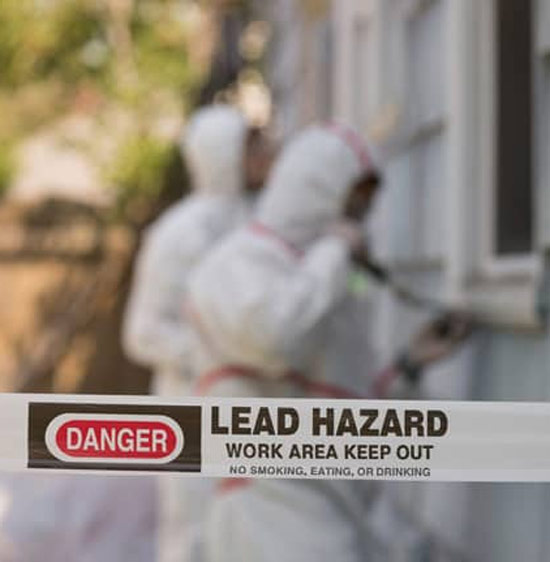
Sticking to regulative compliance is vital in the successful implementation of lead contamination clean-up. Recognizing and complying with federal, state, and regional regulations makes certain not only the safety and security and health of people however additionally the why not check here legal and economic well-being of the cleaning organization. The Environmental Defense Company (EPA) establishes strict criteria, such as the Lead Remodelling, Repair, and Painting (RRP) Regulation, which mandates appropriate qualification and training for professionals taking care of lead-based activities.
Conformity starts with an extensive analysis of relevant laws you can try this out and policies. Organizations needs to remain updated on any kind of legal changes, which can be helped with with routine training sessions and registering for sector updates. Documents is another crucial compliance element; preserving thorough documents of all tasks, consisting of inspection records, staff member training logs, and disposal manifests, is important.
Furthermore, involving with licensed lead examiners or run the risk of assessors makes certain that lead hazards are correctly identified and mitigated. Companies have to apply using Individual Protective Equipment (PPE) and guarantee that safety protocols are purely adhered to. Finally, transparent communication with stakeholders, including staff members, customers, and regulative bodies, will foster a society of conformity and responsibility, ultimately adding to a more secure and a lot more efficient lead cleanup procedure.
Final Thought
Efficient lead infraction cleanup demands the combination of specialized tools and critical approaches to ensure safety and security and efficacy. Making use of HEPA vacuums, specialized cleansing agents, and reliable control methods such as plastic bed linen and negative atmospheric pressure systems is critical. Personal safety equipment (PPE) safeguards employees from exposure, while secure disposal practices and rigorous adherence to regulatory conformity are important for sensibly managing contaminated materials. Collectively, these actions substantially minimize health and wellness threats and contribute to a cleaner atmosphere.
Comments on “NYC Lead Removal Contractors-- Obtain Safe and Reliable Solutions”